Bacon is Safe to Eat: Why You Can Enjoy It Without the Nitrates Guilt
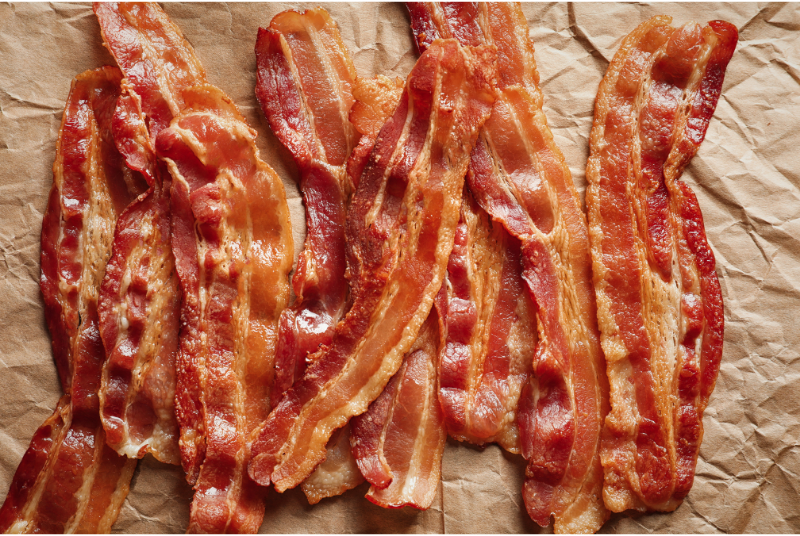
For years, bacon lovers have been told to fear this crispy, delicious food because of nitrates and nitrites. The narrative claims processed meats like bacon cause cancer and should be avoided. But is that really true?
The Nitrate Myth: Bacon vs. Vegetables
One of the most eye-opening facts is that bacon often contains far fewer nitrates than many vegetables.
Vegetables like spinach, lettuce, celery, beets, and arugula are naturally high in nitrates. In fact, about 80% of the nitrates we ingest daily come from vegetables. Vegans or heavy vegetable eaters can consume significantly more nitrates than someone who enjoys bacon.
Commercial bacon typically contains just 5–15 parts per million (ppm) residual nitrite and about 10–50 ppm nitrate. While up to 120 ppm nitrite may be used during curing, the majority is consumed during the curing process, resulting in much lower levels in the finished product. That's a tiny amount compared to what you'll find in a salad.
Your body actually produces and recycles nitrates in saliva every day, often more than you'd get from eating a pound of bacon. These nitrates convert to nitrites and then to beneficial nitric oxide, which supports blood flow, heart health, and more. If nitrates were inherently dangerous, our bodies wouldn't handle them this way.
A Brief History of Cured Meats
Humans have been curing meats with salt, nitrates, and nitrites for thousands of years, long before modern refrigeration. Ancient texts (even Homer) reference these practices. Our ancestors consumed cured meats with higher nitrate levels than today's regulated products, yet there’s no historical record of widespread cancer epidemics tied to bacon or ham.
Modern regulations since the 1970s have further reduced nitrate/nitrite levels in commercial bacon for safety.
What Does the Science Really Say?
The original concerns about nitrates in processed meat largely stemmed from expert opinion rather than robust, peer-reviewed randomized controlled trials. While some observational studies link high processed meat intake to health risks, the nitrate/nitrite component is often overstated, especially when you consider the much higher natural nitrate intake from vegetables, which are widely promoted as healthy.
Many experts argue the fear around nitrates in bacon is misplaced when compared to the benefits of nutrient-dense animal foods.
Tips for Enjoying Bacon Responsibly
Choose quality: Look for bacon from well-raised pigs, ideally without unnecessary additives. "Nitrate-free" labels can be misleading; many use celery powder, which can actually result in higher nitrate levels.
Cooking method: Avoid burning or charring excessively. Moderate heat is best.
Balance your diet: Pair bacon with a low-carb, nutrient-dense way of eating (high in protein and healthy fats). It fits perfectly into keto, carnivore, or ancestral diets.
Moderation: Like most foods, enjoy it as part of a varied diet. A few slices of bacon with eggs is a far cry from eating it at every meal.
Final Thoughts: Enjoy Your Bacon!
Bacon is not only safe, it's a tasty, satisfying source of protein and fat that has been part of human diets for millennia. The nitrates in it are minimal compared to many vegetables, and your body is well-equipped to handle them. Stop letting outdated fears ruin one of life's simple pleasures.
If you're not worried about the nitrates in spinach, there's no reason to fear the ones in bacon. Fry it up, enjoy the crunch, and eat real food with confidence. 🥓
For more information, watch this video where Dr. Ken Berry breaks it all down: NITRATES in Processed Meat? [Enjoy your Bacon!] by Dr. Ken Berry
This article is for informational purposes. Consult your healthcare provider for personalized dietary advice.