Preventing or Reversing Type 2 Diabetes
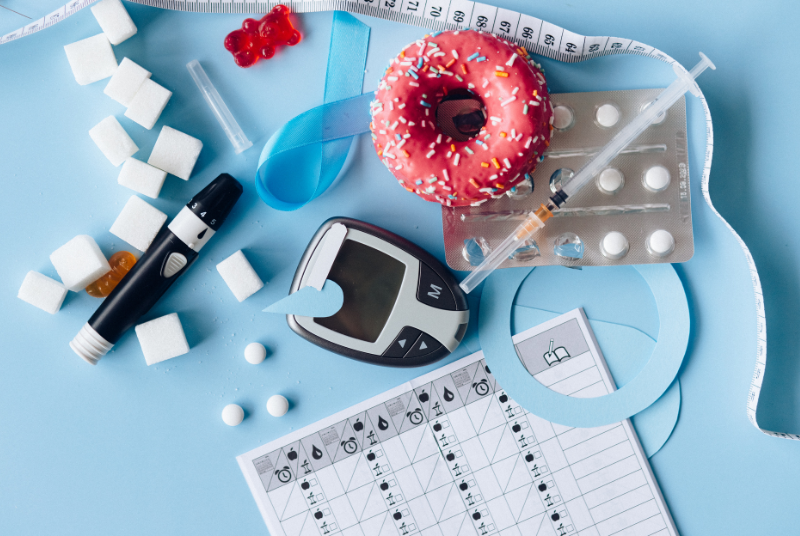
Type 2 diabetes affects millions worldwide, but the good news is that it is often preventable, and in many cases, reversible. Organizations like the American Diabetes Society emphasize that through targeted lifestyle changes, particularly carbohydrate restriction, nutrient-dense eating, physical activity, and stress management, individuals can regain control of their blood sugar, improve insulin sensitivity, and reduce or eliminate reliance on medications.
Understanding Type 2 Diabetes and Its Root Cause
Type 2 diabetes develops primarily due to insulin resistance, where the body’s cells become less responsive to insulin, leading to elevated blood sugar levels over time. Factors like poor diet (high in refined carbs and sugars), sedentary lifestyle, chronic stress, and excess weight contribute to this.
Unlike Type 1 diabetes, which involves autoimmune destruction of insulin-producing cells, Type 2 is largely a lifestyle-related condition. This makes it highly responsive to intervention. Early action, especially in prediabetes, can reduce the risk of developing full-blown Type 2 diabetes by up to 58%.
Reversal means achieving normal blood sugar levels (e.g., HbA1c below 6.5%) without diabetes medications, often sustained for at least three months. Many people accomplish this by addressing the underlying insulin resistance rather than just managing symptoms.
The Power of Carbohydrate Restriction
Carbohydrates have the biggest impact on blood sugar spikes. Restricting them shifts the body toward using fat and protein for energy, which stabilizes glucose levels, reduces insulin demand, and improves sensitivity.
Immediate benefits: Lower blood sugar, reduced A1c, weight loss, and better triglycerides.
Evidence: Studies and clinical experiences show people can significantly reduce or eliminate insulin needs (e.g., tapering off large doses in weeks or days with proper guidance).
Why it works: The body doesn’t require dietary carbohydrates for survival. Focusing on proteins, healthy fats, and low-starch vegetables provides satiety and stable energy without the rollercoaster of carb-heavy meals.
This approach contrasts with traditional high-carb, low-fat recommendations and is backed by real-world success in reversing the condition.
Practical Steps to Prevent or Reverse Type 2 Diabetes
Here’s a straightforward action plan drawn from evidence-based guidance:
Adopt a Low-Carb Diet, Prioritize Protein and Fats
Reduce or eliminate refined carbs, sugars, bread, pasta, rice, sugary drinks, and processed snacks.
Prioritize: High-quality proteins (beef, chicken, eggs, fish, pork), healthy fats (butter, olive oil, avocado oil, ghee, fatty fish), and low-starch vegetables (leafy greens, broccoli, cauliflower, zucchini).
Benefits: Stabilizes blood sugar, promotes satiety, and supports fat loss, especially around the waist.
Incorporate Regular Physical Activity
Start simple: Walking, strength training, or cycling.
Aim for consistency—e.g., 150 minutes of moderate activity per week—to boost insulin sensitivity.
Manage Stress and Prioritize Sleep
Chronic stress raises cortisol, which elevates blood sugar. Practice mindfulness, yoga, or relaxation.
Get 7–8 hours of quality sleep nightly to regulate hunger hormones and metabolism.
Monitor Progress
Track blood glucose, A1c, weight, and how foods affect you. Keep a journal.
Work with a healthcare provider, especially when adjusting medications.
Focus on Sustainable Habits
Small, consistent changes compound. Swap one sugary drink for water or add a walk after meals. Real, whole foods (not ultra-processed) make adherence easier and more enjoyable.
Addressing Common Misconceptions
“Fat makes you fat or causes diabetes”: Healthy fats have minimal impact on insulin and blood sugar compared to carbs. They’re essential for satiety and metabolic health.
“Carb restriction is restrictive or unsustainable”: Many find freedom from cravings and blood sugar worries. Foods like meat, eggs, and vegetables are delicious and nourishing.
Reversal isn’t guaranteed for everyone, but significant improvements are achievable for most through lifestyle.
Final Thoughts: Take Charge Today
Reversing or preventing Type 2 diabetes is about empowerment through knowledge and action. By focusing on real foods, movement, rest, and consistency, you can transform your metabolic health and reduce the burden of this condition.
Consult your doctor before making major changes, especially if on medications. Resources from the American Diabetes Society and similar evidence-based sources can guide you. Your journey to better health starts with the next meal or walk; small steps lead to big results.
Always seek personalized medical advice. This post is for informational purposes based on available resources.